Parking System at RSI Jemursari
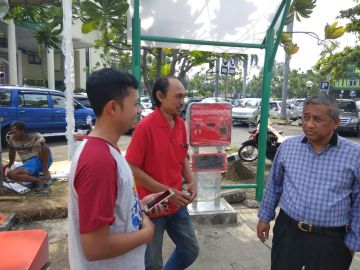
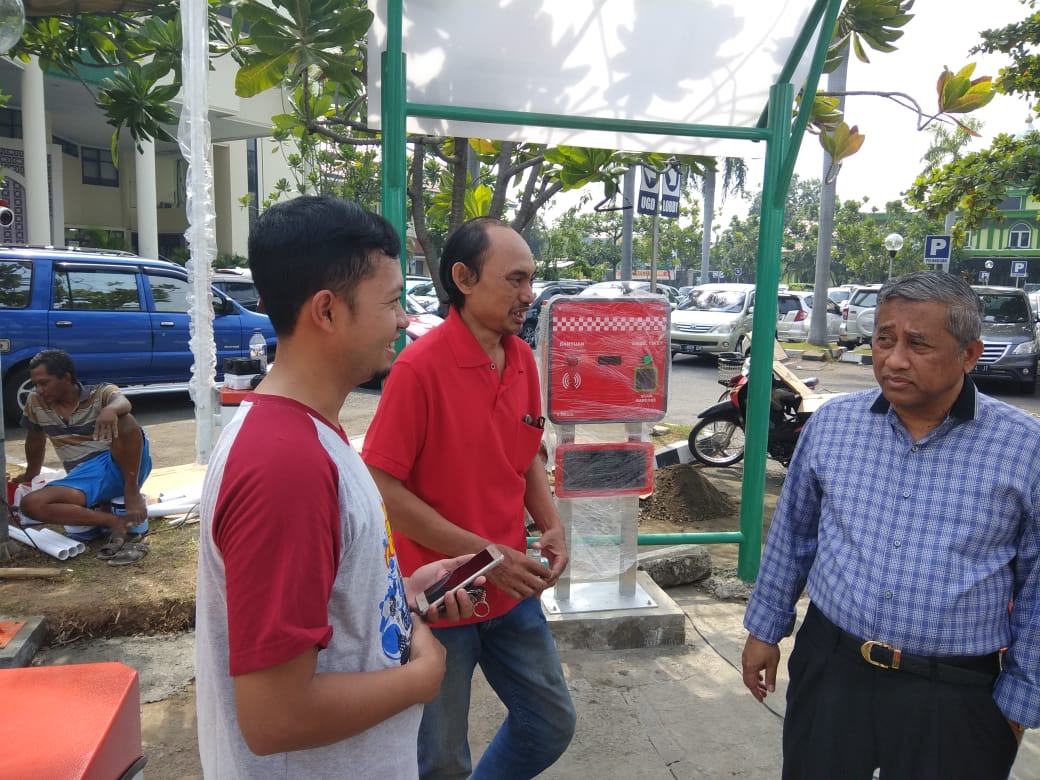
RSI Jemursari, a renowned hospital facility, has implemented an efficient parking system with barrier gates to enhance parking management and provide accurate data analysis. This system enables the hospital to maintain comprehensive records of parking transactions, financial data, and vehicle counts, leading to improved efficiency and better overall parking management.
.jpg)
Data-Driven Parking Management: The introduction of a parking system with barrier gates at RSI Jemursari has revolutionized the way parking operations are managed. Each vehicle entering or exiting the parking area is recorded and registered through the barrier gate system. This allows for accurate and real-time data collection, enabling the hospital to analyze parking patterns, financial transactions, and the number of vehicles present at any given time.
Financial Transparency: The implementation of a data-driven parking system ensures transparency and accuracy in financial transactions related to parking. With each entry and exit being recorded, the system generates detailed reports on parking revenue and expenditure. This information aids in financial planning and facilitates efficient resource allocation. The hospital administration can monitor revenue streams, identify trends, and make informed decisions regarding parking fees and expenses.

Improved Parking Experience: The parking system at RSI Jemursari not only provides accurate data analysis but also enhances the overall parking experience for visitors. The barrier gate system ensures a smooth and controlled flow of vehicles, minimizing congestion and allowing for more organized parking arrangements. Visitors can easily locate available parking spaces, and the hospital staff can efficiently manage the parking area by analyzing real-time occupancy data.
Enhanced Security and Safety: The implementation of the parking system with barrier gates also contributes to improved security and safety within the premises of RSI Jemursari. The controlled access provided by the barrier gates ensures that only authorized vehicles can enter and exit the parking area. This helps prevent unauthorized parking and enhances the overall security of the facility. Additionally, the real-time data collection enables quick response in case of emergencies or incidents within the parking area.


Future Expansion and Scalability: The parking system at RSI Jemursari is designed to accommodate future expansion and scalability. As the hospital grows and parking demands increase, the system can easily be adapted to incorporate additional barrier gates and parking areas. This flexibility ensures that the parking management system remains efficient and effective in the face of changing requirements.
Conclusion: The implementation of a data-driven parking system with barrier gates at RSI Jemursari has transformed the parking experience for visitors while providing valuable insights for the hospital administration. Accurate data analysis, financial transparency, improved security, and enhanced parking management are among the key benefits of this system. RSI Jemursari continues to prioritize efficiency and visitor satisfaction through innovative solutions, ensuring a seamless parking experience for patients, staff, and visitors alike.